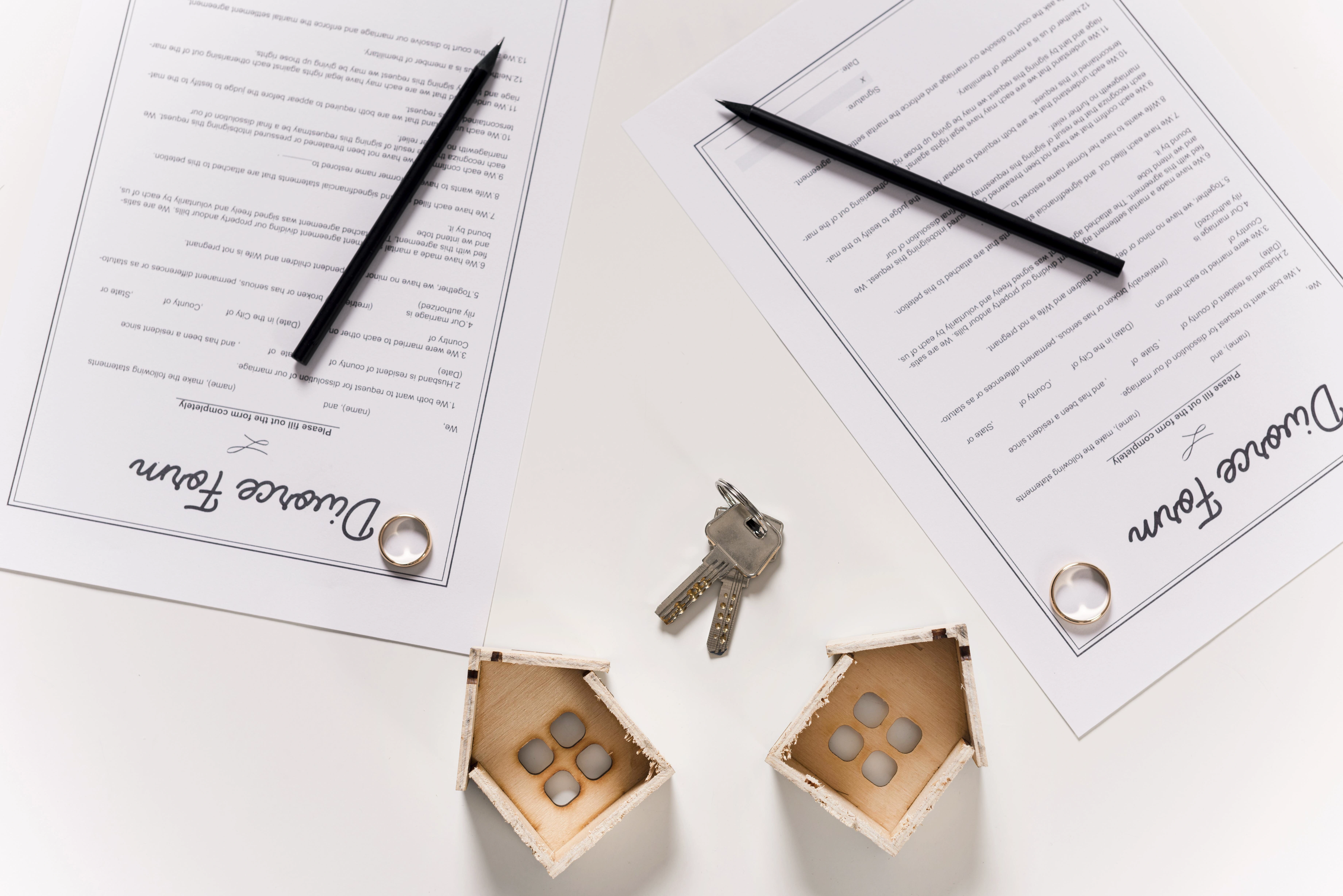
Most divorcing couples assume the house has to be sold. It doesn't, but keeping it isn't as simple as one person staying and the other walking away.
Divorce Buyout Home Refinance: What It Actually Involves
When Keeping the House Makes More Sense Than Selling
Not every divorce ends with a "For Sale" sign. Sometimes one spouse wants to stay, especially when kids are in the picture or the timing just isn't right to sell. That's where a divorce buyout home refinance comes in. One spouse buys out the other's share of the equity instead of splitting sale proceeds down the middle.
I've been handling divorce transactions in South Orange County for decades. These are some of the most emotional transactions I've ever been part of, and both parties need someone neutral who knows what they're doing. The buyout path is no different.
It only works under certain conditions, and I want to walk you through what those actually are. It comes down to two things: agreeing on the home's value, and the keeping spouse qualifying for a refinance. If both of those work out, the buyout is a real option. If either one falls apart, you're probably looking at a sale instead.
How the Math Works: Appraisal, Equity, and the Buyout Number
You start with the home's current market value. That's usually established by a professional appraisal. If both spouses agree on the number, great. If not, you might need separate appraisals and average the two.
From there, you subtract what's still owed on the mortgage. What's left is the equity. In a community property state like California, marital equity is generally split 50/50, so the buyout amount is usually half the equity, though adjustments can apply.
Say one spouse used premarital savings for the down payment. That's considered separate property in California, and it can shift the buyout number. This is part of what makes a buyout refinance in California more complicated than it looks on paper.
Here's a quick example the way I'd explain it to a client. A condo appraises for $800,000. The mortgage balance is $400,000. That leaves $400,000 in equity. The spouse keeping the house would typically owe the other around $200,000. That's the buyout figure you're working from.
How the Buyout Gets Paid: The Refinance Route and the Alternatives
A divorce buyout home refinance is how most of these actually get done. The keeping spouse refinances the mortgage in their own name for a larger amount and uses the extra cash to pay off the departing spouse.
A cash-out refinance handles two things at once. It removes the departing spouse from the loan and releases them from the mortgage liability going forward. That second part matters more than people realize.
There's an alternative worth knowing. Sometimes one spouse takes more of the retirement accounts or investments instead, offsetting the equity they're owed that way. It can work, but in my experience, most people end up doing the refinance.
The piece that often gets overlooked: the departing spouse needs to sign a quitclaim deed or interspousal transfer deed to come off title. This is separate from the mortgage. The title and the mortgage are two different things, and both need to be addressed. I've seen situations where someone removed themselves from the loan but never came off title, or the other way around. You need to close both.
The Biggest Hurdle: Qualifying on One Income
The keeping spouse has to qualify for a new, larger mortgage on their income alone. In my opinion, that's the biggest hurdle in these situations. Not the appraisal, not agreeing on a number. Getting approved.
When one spouse keeps the house during a divorce, the lender is looking at their income, their debt load, and their credit. Everything that used to be shared now has to carry the weight on one side.
Spousal support and child support payments can factor into that income calculation, assuming they're established and consistent. That helps in some situations, but it's not a guarantee.
My advice: find out early whether qualifying is realistic. Do it before everyone has agreed on a buyout figure and the process is in motion. If the keeping spouse can't get approved, the whole path changes.
Refinance fees and other costs also get factored into the final number. Sometimes a deduction for hypothetical selling costs gets negotiated into the buyout figure. There's no hard rule on that. It's all negotiated between the parties.
One Tax Detail That Often Gets Overlooked
I'm not a financial advisor or a lawyer, and you should get professional advice on this. I raise it because it affects the real-world decision, and I don't want someone finding out about it five years down the road.
The buyout itself is generally not a taxable event under IRS rules. The keeping spouse inherits the original cost basis. That's fine in the short term.
The issue comes later. When they eventually sell, they're filing as a single person. That means they only get a $250,000 capital gains exclusion. A married couple selling the same house would get $500,000 right off. In a market like Orange County, where appreciation has been substantial, that difference matters.
If you've got a lot of equity in that house, think it through before you commit to keeping it. I can point you toward a good appraiser and help you find the right people to answer the tax and legal questions.
Talk to Gregg Before You Commit to a Divorce Buyout Home Refinance
I've handled a lot of these. The math is usually the easy part. The harder questions are whether the keeping spouse can actually get approved, and whether the number both sides agree on is realistic given the current market.
If the buyout path doesn't work out, I can walk you through what order things typically happen when selling during a divorce as well. That's a different road, but I know it just as well.
If you want a straight read on whether the numbers work for your situation, give me a call. I can help assess the buyout path, connect you with a good appraiser, and give you an honest picture before you're committed to anything.
Call me at 949-448-0961.