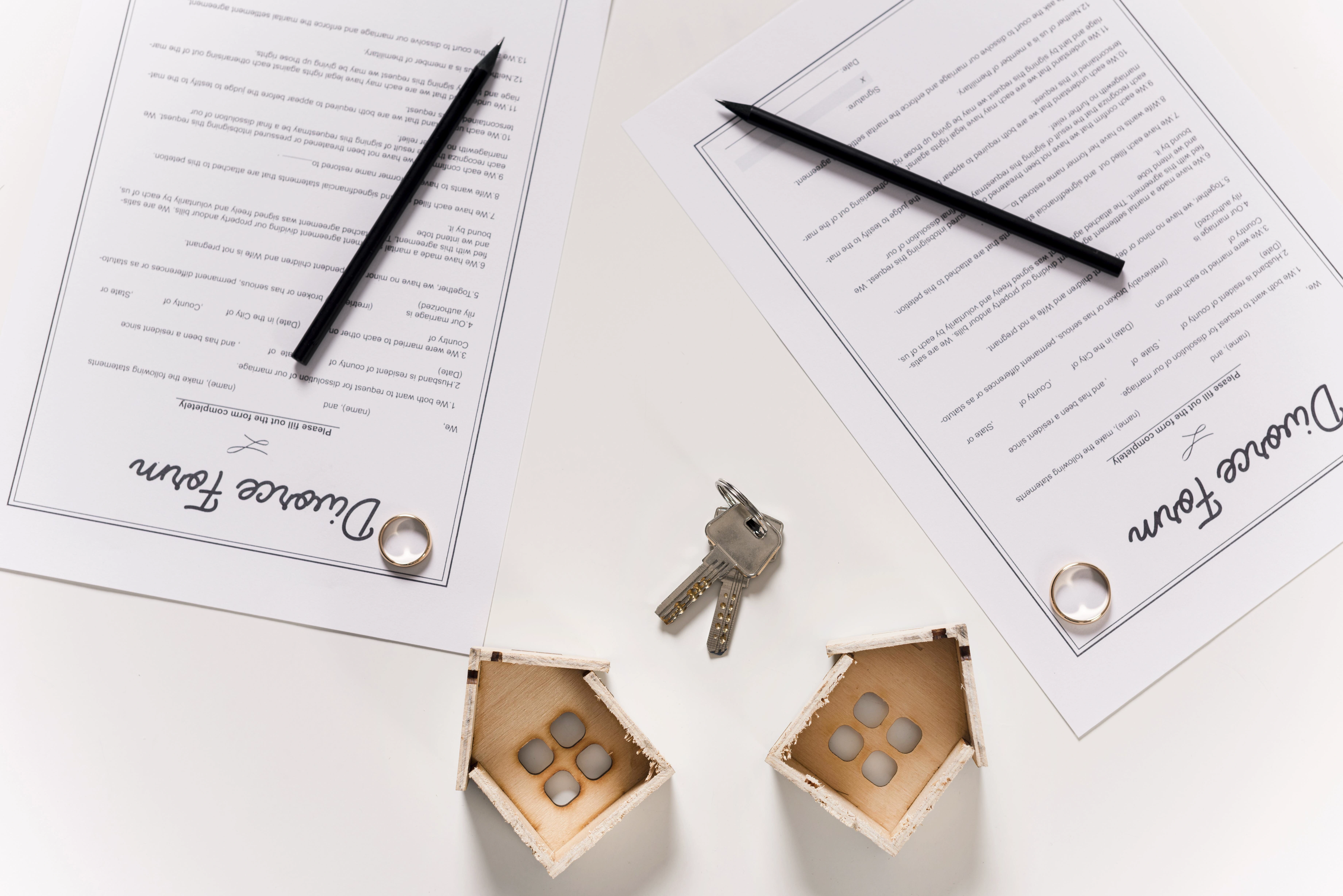
Selling a home during a divorce is one of the toughest assignments in residential real estate. You're managing two clients who may each suspect you're secretly working for the other.
Neutral Real Estate Agent in a Divorce: How It Actually Works
Set the Rules Before You Take the Listing
The suspicion starts early. Sometimes it starts before you've signed anything. That's why neutrality has to be built into the engagement from day one. You can't improvise it later.
At the first meeting, ideally with both spouses present or on a joint call, lay out exactly how you'll operate. Substantive communications go to both parties simultaneously. All offers get presented to both at the same time. There are no private strategy calls with either side.
Put it in writing. Have them both sign it.
When someone later accuses you of favoritism, and they will, you point back to the process they agreed to. You're not defending yourself personally. You're pointing to a document. That's a very different conversation. This is what working with a divorce real estate specialist actually looks like before the listing even starts.
Copy Everyone on Everything, Every Single Time
This is the single most powerful trust builder I know. Every email, every showing report, every offer summary goes to both spouses at the same time. If the attorneys want to be copied, copy them too.
Never forward one spouse's message to the other with added commentary. That's a trap. Even if you mean well, it reads as taking sides.
If one party calls you, follow up with an email summarizing what was discussed and copy the other side. Nothing kills suspicion faster than being transparent. When both parties are seeing the same information at the same time, there's nothing to wonder about.
For a divorce home sale agent, this habit isn't optional. It's the job.
Refuse to Be the Messenger for Anything Beyond the Transaction
They'll try. Divorcing spouses will use you as a conduit for grievances without even realizing they're doing it. "Tell her the house needs to be cleaned up before showings." "Ask him why he hasn't signed yet."
Don't do it. Every time. No exceptions.
The script I use: "That sounds like something your attorneys will want to work out. Once you've agreed, I'm happy to execute whatever the two of you decide."
You handle the house. Lawyers handle the conflict. When you're representing both spouses in real estate, that boundary is what makes the whole thing workable. The moment you start carrying personal messages back and forth, you've stopped being neutral and become part of the dispute.
Hold the line, even when it feels awkward.
Stick to Data When Pricing and Offers Get Emotional
One spouse wants to price it high and delay. The other wants to price it low and be done with everything. Neither of them is thinking about the market. They're using price as an emotional lever.
Your job is to take the lever away.
Anchor every recommendation to comps, absorption rates, and days on market. Present the same analysis to both of them, not two versions of it. The same one.
When offers come in, present them factually and side by side, without advocating for either side's preference. If they can't agree, suggest they take the decision to their attorneys or a mediator. Don't let either party pressure you into breaking the tie. That's not your call to make, and making it will blow up your neutrality no matter which way you go.
A skilled divorce home sale agent presents the data and steps back.
Clarify Decision-Making Authority Before It Becomes a Problem
Ask early. What does the settlement agreement or court order say about who has authority to accept an offer? Who can set the price? Who approves repairs, termite work, anything that comes up during escrow?
If both signatures are required on everything, you need to know that at the start. Not when you're already under contract and one party is stalling.
Small things get magnified in these transactions. Whose schedule controls showings? Who gets the lockbox code? If one spouse is still living in the home, the spouse who's out may start to suspect showings are being sabotaged. Sending feedback reports to both parties addresses that directly.
Keep a log of showings, requests, confirmations, and any access issues. As a neutral real estate agent in a divorce, this paper trail isn't bureaucracy. It's your protection.
Welcome the Attorneys In. They're Your Best Allies.
I know agents who treat the lawyers like a problem to manage. That's backwards.
Invite both attorneys into the communication chain from the start. When they can see you're playing it straight, they become your character witness if a dispute comes up. They'll often rein in the client who's being unreasonable, without you having to say a word.
That's worth the extra email.
If one party becomes hostile or tries to work around the other, document it. Loop in your broker before it gets out of proportion. Don't try to solve it yourself.
If you're unclear on how the attorneys fit into the broader timeline of a California divorce sale, including what happens when and who's deciding what, this post on what order things actually happen in a California divorce sale is worth reading before you list.
Divorce real estate communication works when everyone, agents, attorneys, and clients, can see the same picture at the same time. That's how you get a sale instead of a standoff.
What a Neutral Real Estate Agent in a Divorce Actually Does, Gregg McElwee
I've been doing this for nearly 40 years. Divorce sales are some of the most emotional transactions I've ever handled, for the clients and honestly for the agent too. There's pressure coming from two directions at once, and most of it has nothing to do with the house.
The mindset that keeps me grounded: my client is the sale of the property. Both owners have to agree, so neither individual is more my client than the other. When you frame every decision around that, and you make your process transparent enough that both spouses can verify it, you can get through the transaction even when their trust in each other is gone.
If you're in this situation and want to talk through how it works, give me a call. I pick up.